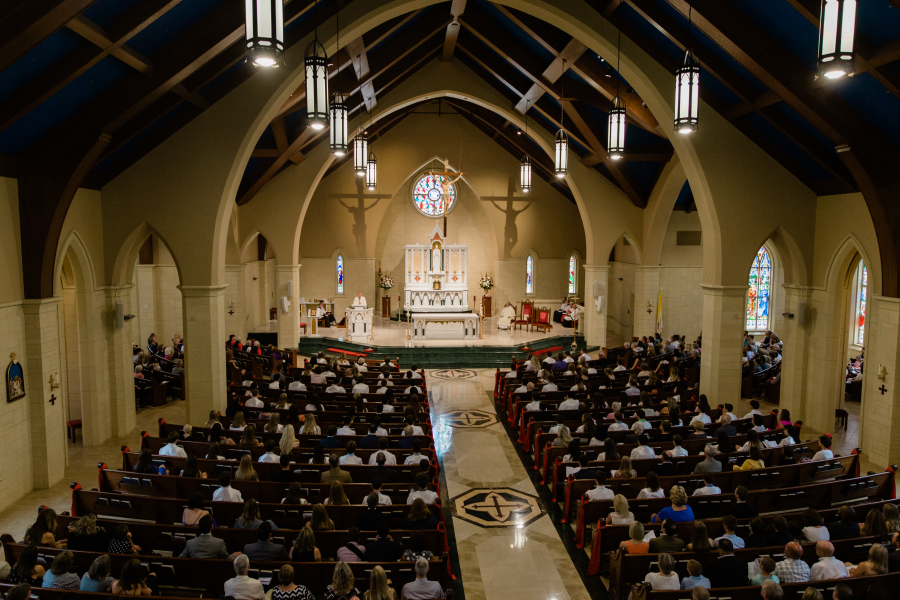
Why AI Should Never Replace a Catholic Photographer
I’m a Catholic photographer, and I think parishes need an honest conversation. A lot of churches are quietly swapping real photographers for AI generated images on flyers, bulletins, and social media. It’s cheaper. It’s faster. And I think it’s a mistake, for reasons that go a lot deeper than image quality.
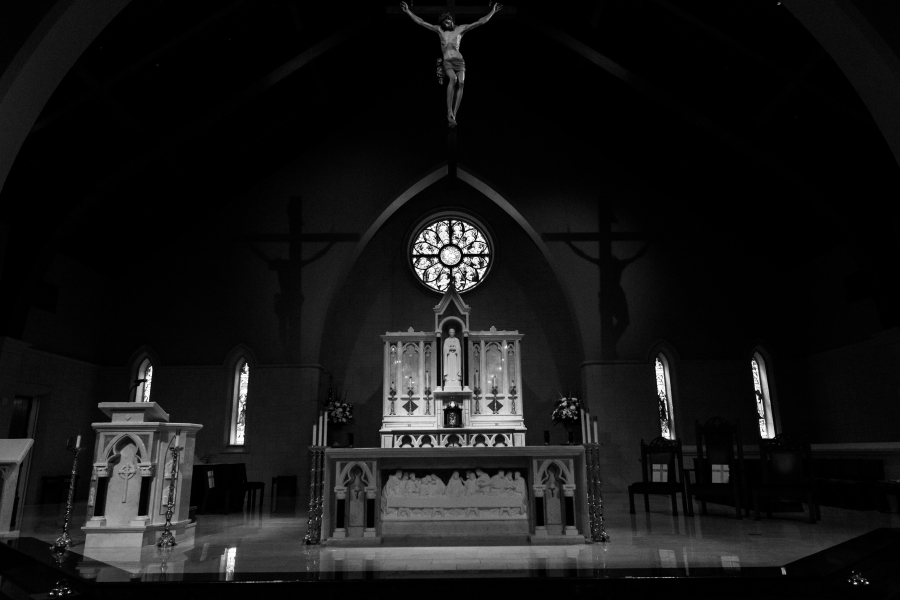
Why a Parish Should Hire a Real Catholic Photographer, Not AI
Hiring a real Catholic photographer means paying an actual person for skilled work. Catholic social teaching has always applied that same principle to labor. Work has dignity. Workers deserve to be paid fairly for it. An AI tool doesn’t need to eat. It doesn’t have rent. It doesn’t deserve a paycheck, because it isn’t a person. Choosing it over a photographer quietly tells a parishioner their skill and their livelihood are optional.
There’s a community argument here too. Hiring a photographer, especially one already embedded in your parish, keeps money and trust inside your own community. As a Catholic photographer, I’d rather see that money go to another skilled parishioner than to a subscription fee. A subscription to an AI image generator sends that money somewhere else instead, to a tech company that has never set foot in your church, and never will. Take a look at my parish and sacrament photography work if you’d like to see it in action.
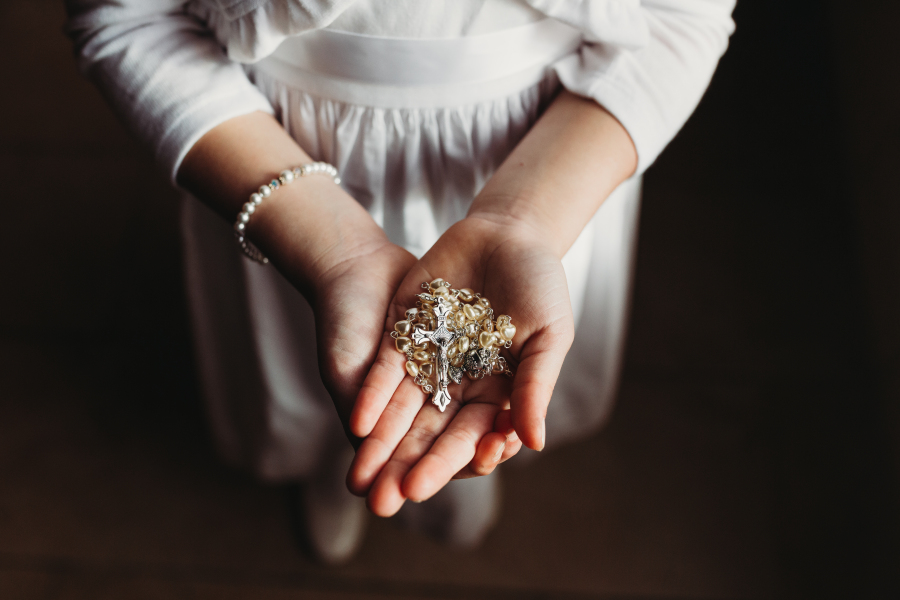
Can an AI Image Actually Show What It Feels Like to Belong?
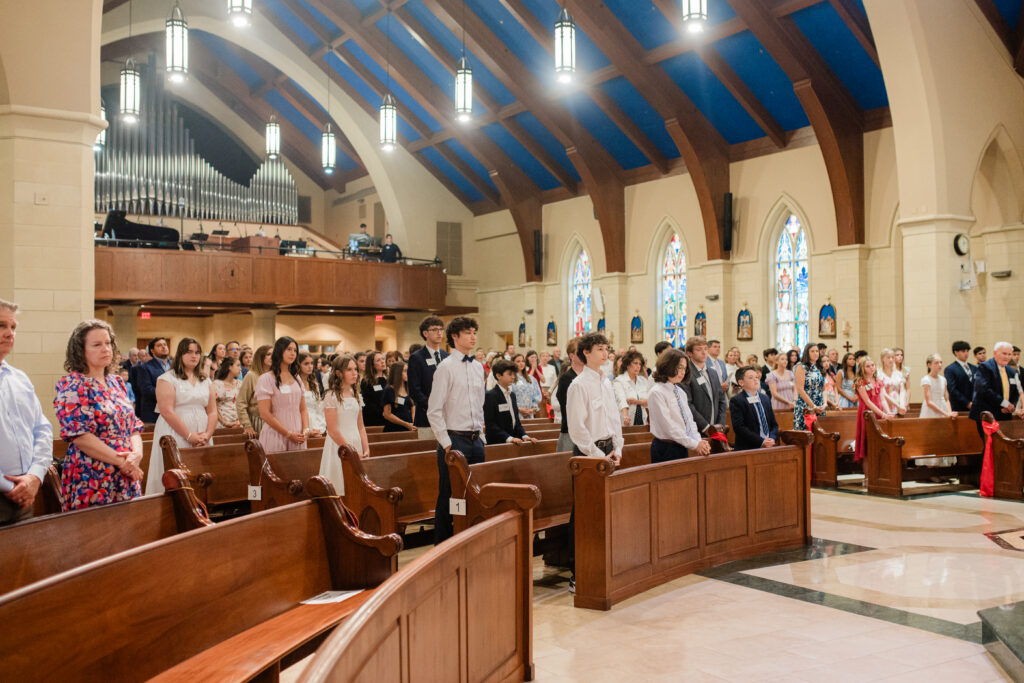
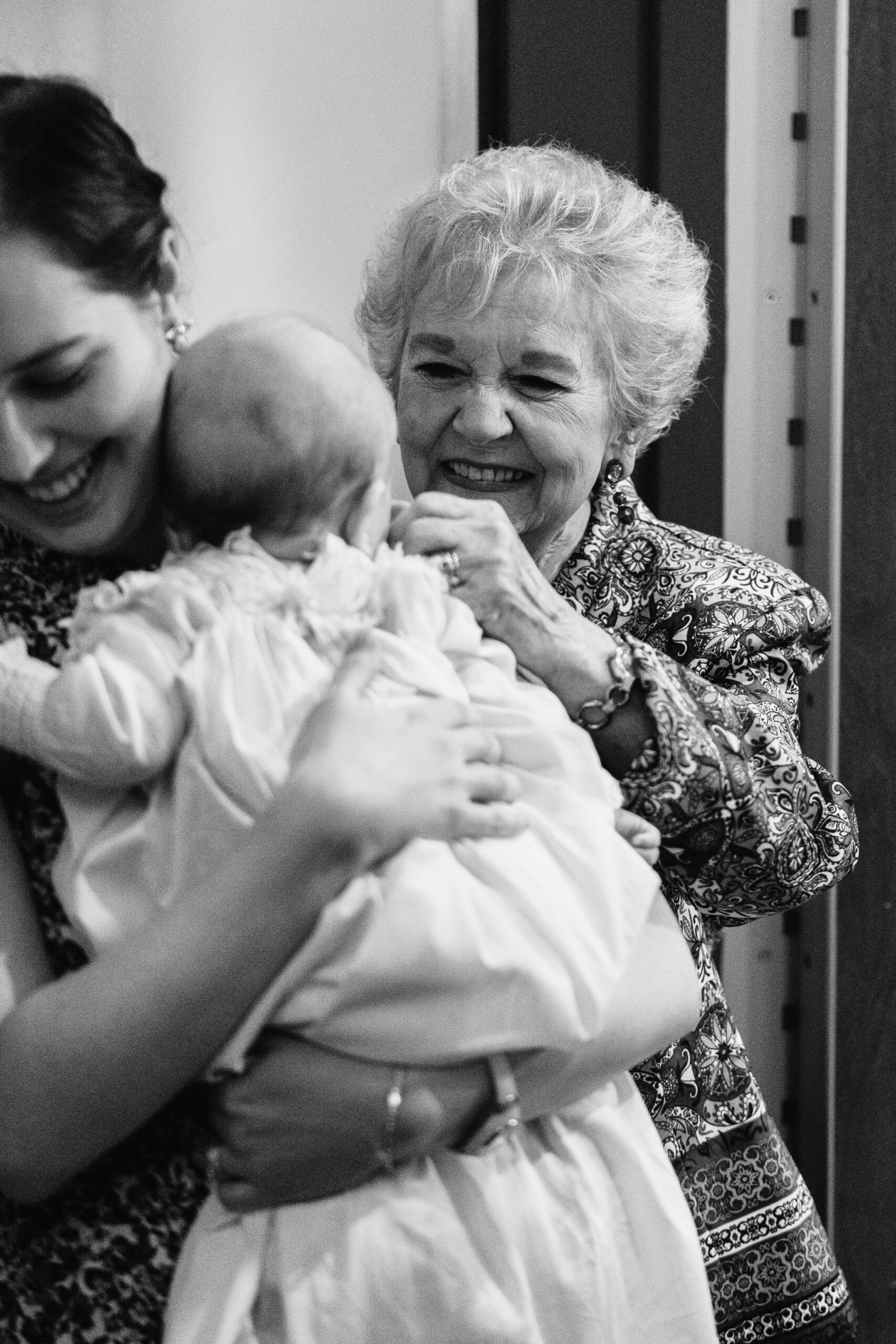
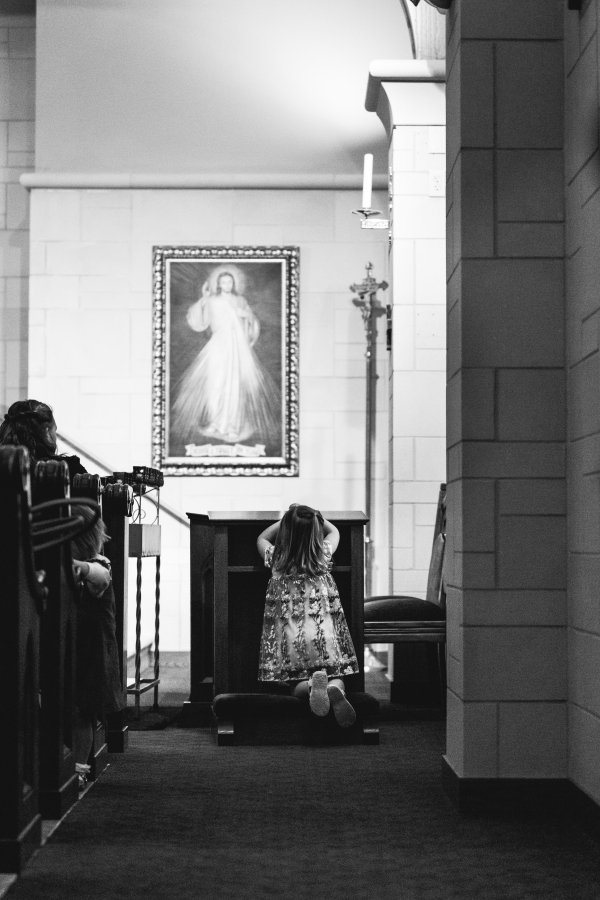
No, not really. AI doesn’t know your parish. It has never sat in your pews. It has never watched your kids process in for First Communion. It has never noticed which grandmother cries every year during the homily. It can only generate a generic approximation of a church, not the actual one your community gathers in every Sunday.
That matters more than it sounds like it should. A real photo documents something true, even if it’s imperfect. An AI image invents something that looks plausible, but happened to no one. A church’s whole purpose is bearing witness to truth. Using fabricated imagery to represent a real, living community is a strange thing to do. I don’t think most parishes have really sat with that yet.

The Catholic Church’s Long Commitment to Protecting God’s Creation
Protecting the environment isn’t a modern political add-on for the Catholic Church. It’s rooted in scripture. Pope Francis formalized it in his 2015 encyclical on caring for our common home, which frames the earth itself as something entrusted to us, not something to use up and discard.
That teaching asks Catholics to actually notice the cost of their choices, not just the convenience. It’s easy to care about creation in the abstract. It’s harder to connect that teaching to something as small as how a parish makes its next Facebook graphic. But that’s exactly where teaching becomes practice.
Why Should a Church Support an Industry That Hurts the Poor?
AI image generation runs on massive data centers. Those data centers are disproportionately built near low income and minority communities. Groups like the NAACP have pointed to strained water systems, rising utility bills, and pollution, all landing hardest on people who already have the least.
A church that teaches care for creation and a preference for the poor shouldn’t quietly fund an industry doing the opposite. Not just to save an afternoon on a flyer. That’s not a side note for a Catholic photographer like me, it’s the whole point. If Catholic social teaching means anything, it means noticing who actually bears the cost of our conveniences. It means choosing not to look away from that, even when the flyer is free.
What a Catholic Photographer Understands That AI Never Will
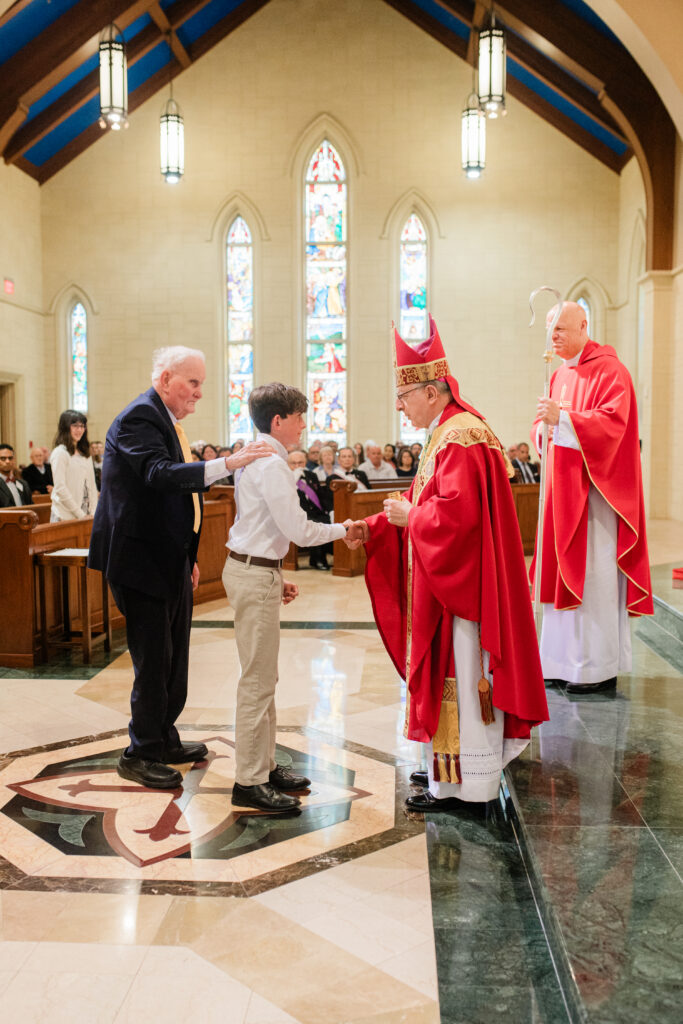
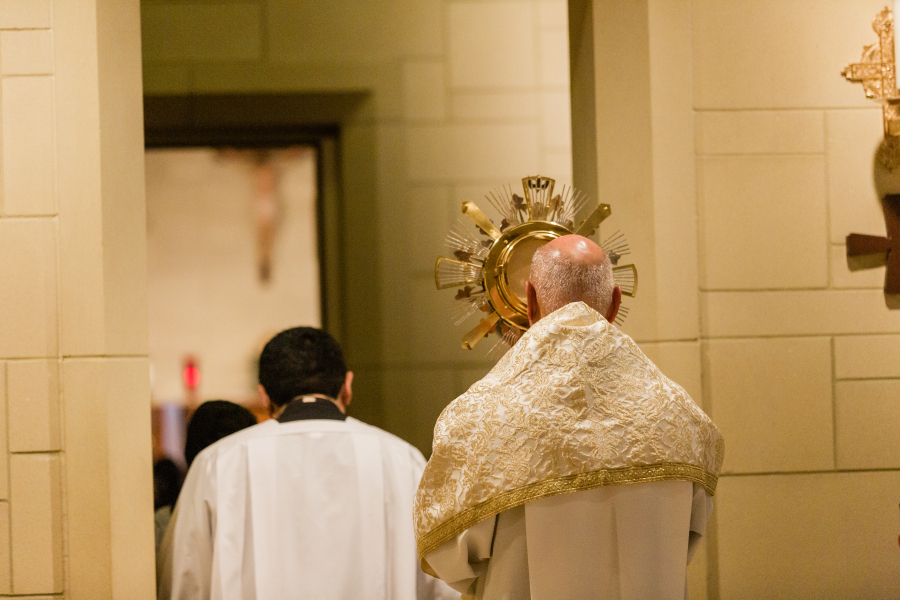
A Catholic photographer understands the sacraments aren’t just events on a calendar. They’re the moments a family’s faith actually becomes visible. A baby’s first blessing. A child’s First Communion. A confirmation candidate’s nervous smile before the bishop lays his hands on her. That understanding can’t be typed into a prompt box. It’s lived, not generated, and no Catholic photographer worth hiring would tell you otherwise.
If your parish is weighing a quick AI graphic against a real photographer, think about what you’re actually trading away. It’s not just image quality. It’s the dignity of paying a real person. It’s the honesty of showing your real community instead of an invented one. And it’s a small, consistent way of living out what the Church already teaches about creation and the poor. If you’re a Catholic parish or family in Atlanta or Roswell who’d rather do it the real way, I’d love to talk.
FAQ
What does a Catholic photographer actually do at a parish?
A Catholic photographer documents more than sacraments. Beyond baptisms and First Communions, many parishes bring in a photographer for ongoing coverage, church events, staff and clergy portraits, and images for bulletins, websites, and social media. The goal is capturing what parish life actually looks like week to week, not just the big milestone days.
Is it wrong for a church to use AI generated images at all?
It’s a fair question churches are only starting to ask. AI images can’t show your actual parish or your actual people, since they’re generated, not documented, and the industry behind them carries real environmental and social costs. A church built on truth telling and care for the poor has good reason to think twice before leaning on it for its own materials.
How do I find a Catholic photographer near me?
Start by asking your parish office, since many photographers who work with Catholic communities get referred through word of mouth rather than a Google search. Look for someone who has actually photographed Masses and sacraments before, not just weddings, since the rhythm and reverence of the liturgy is different from a typical event.
What’s the difference between a Catholic photographer and a general event photographer?
A Catholic photographer understands the flow of the Mass and the meaning behind it, so they can anticipate moments like the exchange of peace or the elevation of the Eucharist instead of missing them. A general event photographer without that background may capture the day technically well but miss what actually matters to a Catholic family or parish.
Can a parish hire a photographer for more than weddings or baptisms?
Yes. Many parishes now hire photographers for ongoing content, marketing images for the bulletin or social media, staff and ministry photos, and coverage of parish events throughout the year. Regular documentation like this helps a church show its community accurately instead of relying on stock photos, AI images, or outdated pictures.
